





LoT Sensor: The Heart of the Internet of Things
The Internet of Things (IoT) is a network of interconnected physical devices, vehicles, home appliances, and other objects that are embedded with sensors, software, and connectivity, allowing them to collect and exchange data. At the heart of this technology are IoT sensors, which are responsible for collecting the data that powers the IoT ecosystem. In this blog post, we will explore what IoT sensors are, how they work, their applications, and the future of IoT sensor technology.
What is an IoT Sensor?
An IoT sensor is a device that detects and responds to some type of input from the environment. It converts the detected physical phenomena, such as temperature, motion, or light, into electrical signals that can be processed by other devices.
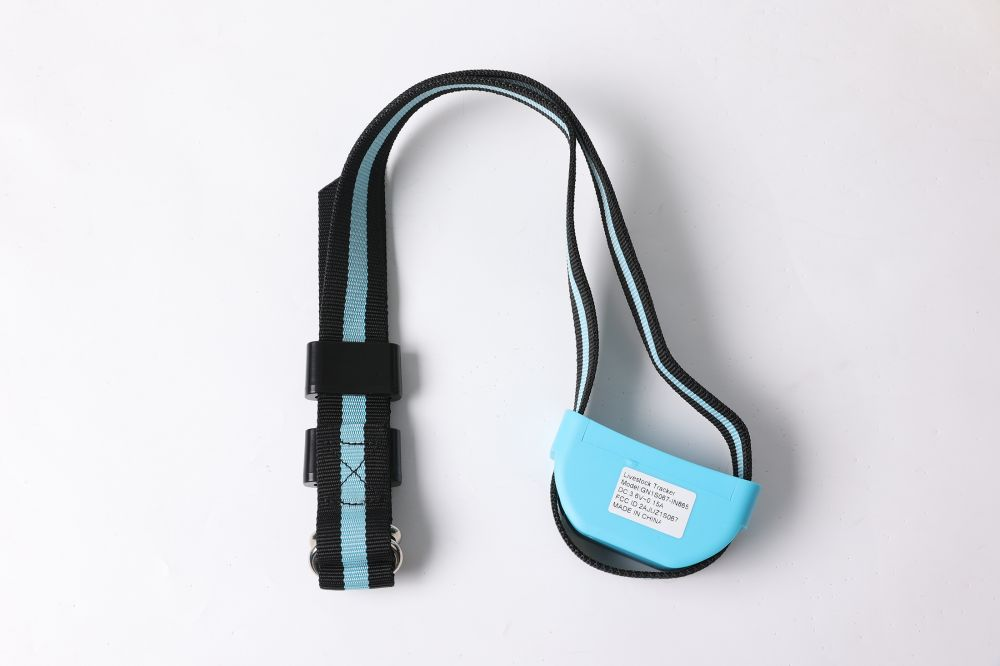
How Do IoT Sensors Work?
IoT sensors operate on a simple principle:
1. Detection: The sensor detects changes in the environment, such as a change in temperature or a door opening.
2. Conversion: The sensor converts this change into an electrical signal.
3. Transmission: The sensor sends this signal to a connected device, such as a microcontroller or a gateway.
4. Processing: The connected device processes the signal and determines what action to take.
5. Communication: The device communicates with other devices in the IoT ecosystem, allowing for coordinated responses to the detected change.
Types of IoT Sensors
There are many different types of IoT sensors, each designed to detect a specific type of input. Some common types include:
1. Temperature Sensors: These detect changes in temperature and are commonly used in home automation and industrial applications.
2. Motion Sensors: These detect movement and are often used in security systems and smart home devices.
3. Light Sensors: These detect changes in light levels and can be used to control lighting in smart homes and buildings.
4. Pressure Sensors: These detect changes in pressure and are used in a variety of applications, including weather monitoring and industrial processes.
5. Humidity Sensors: These detect changes in humidity and are commonly used in agriculture and home automation.
Applications of IoT Sensors
IoT sensors have a wide range of applications, including:
1. Smart Homes: IoT sensors can be used to control lighting, heating, and cooling in a home, making it more comfortable and energy-efficient.
2. Industrial Automation: In industrial settings, IoT sensors can monitor equipment and processes, improving efficiency and reducing downtime.
3. Healthcare: IoT sensors can be used to monitor patients' vital signs, track medication adherence, and provide remote care.
4. Agriculture: IoT sensors can monitor soil conditions, weather, and crop growth, helping farmers make more informed decisions.
5. Smart Cities: IoT sensors can be used to monitor and manage various aspects of a city, including traffic, public transportation, and waste management.
The Future of IoT Sensor Technology
As technology continues to advance, the capabilities of IoT sensors are also expanding. Some future developments may include:
1. Increased Accuracy: Advances in sensor technology are leading to more accurate and reliable sensors.
2. Lower Power Consumption: New technologies are being developed to reduce the power consumption of IoT sensors, allowing them to run for longer on a single charge.
3. Edge Computing: Some processing may be done directly on the IoT sensor itself, reducing the need to send data to the cloud and improving response times.
4. Integration with AI: IoT sensors may be integrated with artificial intelligence, allowing them to make decisions and take actions based on the data they collect.
Conclusion
IoT sensors are a fundamental component of the Internet of Things, enabling the collection of data that powers this technology. With a wide range of applications and ongoing advancements in technology, IoT sensors are set to play an increasingly important role in our lives. As we continue to develop smarter homes, cities, and industries, the ability of IoT sensors to detect and respond to changes in the environment will be crucial.
